
Plant-Based Protein Made Easy: Why Pistachios Deserve a Place in Your Daily Diet
New Delhi [India], October 23: Protein is an essential part of a balanced diet, helping the body build and repair tissues, maintain muscle mass and support overall health. While protein is commonly associated with eggs, dairy and meat, plant-based sources are gaining attention among people looking to diversify their everyday meals. From pulses and legumes to nuts and seeds, there are several easy ways to include more plant-based protein in daily eating habits. Among these, pistachios offer a convenient and nutritious option that combines protein with fibre, healthy fats, vitamins and minerals.
A balanced diet that includes a variety of plant-based protein sources can support overall well-being. Protein plays an important role in muscle maintenance, tissue repair and the normal functioning of the body. Including plant-based foods such as beans, lentils, whole grains and nuts can also add fibre and other essential nutrients to everyday meals. For those looking to reduce their dependence on a single protein source, incorporating a wider variety of plant foods is a simple place to start.
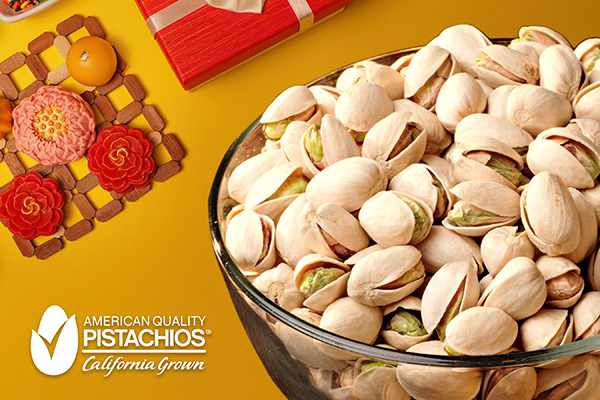
Pistachios are more than just a crunchy snack. They provide plant-based protein alongside dietary fibre and unsaturated fats, making them a useful addition to a balanced diet. A 28-gram serving of pistachios provides approximately 6 grams of protein, along with essential nutrients such as vitamin B6, copper and potassium. These nutrients contribute to several important bodily functions, including energy metabolism and the normal functioning of the nervous system.
Pistachios also contain antioxidants, including lutein and zeaxanthin, which are associated with eye health. Their combination of protein, fibre and healthy fats can help make snacks more satisfying, particularly when compared with options that are high in added sugar but offer fewer nutrients.
One of the biggest advantages of pistachios is how easily they fit into everyday eating habits. A handful can be enjoyed between meals, added to breakfast bowls or mixed into homemade trail mixes with seeds and dried fruit. Chopped pistachios can also add texture and nutritional value to salads, yoghurt, oatmeal and vegetable-based dishes.
Choosing nutritious snacks is an important part of building sustainable eating habits. Instead of relying entirely on packaged snacks that may be high in sodium, added sugar or refined carbohydrates, people can explore whole-food options such as nuts, fresh fruit and roasted legumes. Pistachios provide a combination of protein, fibre and healthy fats in a convenient format, making them suitable for different lifestyles.
Portion awareness is equally important, as nuts are energy-dense foods. Enjoying an appropriate serving as part of an overall balanced diet allows individuals to benefit from their nutritional value while keeping their daily energy needs in mind. People with nut allergies should, of course, avoid pistachios.
Disclaimer: This post has been auto-published from an agency feed without any modifications to the text and has not been reviewed by an editor
Source: Lokmattimes.com